Panic Bar & Exit Device Repair
When a push bar fails on a busy morning at a Brampton strip mall, or a school's exit device won't latch properly before the first bell, the consequences go beyond inconvenience — they touch fire-code compliance, liability, and the safety of everyone inside the building. A1 Brampton Locksmiths dispatches trained, insured technicians directly to your location, 24 hours a day, 7 days a week, so code-required exit hardware gets back in service without unnecessary downtime.
Open 24 hours, 7 days a week · Licensed, bonded & insured

Our mobile team handles everything from a seized push pad on a single storefront door to a full panic bar installation across multiple fire exits at a commercial property on Queen Street East or Kennedy Road South. Because we come to you — no drop-off, no waiting — we can assess the door, the frame, and the existing hardware together and give you an exact up-front price before a single screw turns.
What we do
Available 24/7
Day, night, weekends and holidays — a real local locksmith answers and rolls a fully-stocked van.
Fast local response
Based in Brampton, we reach the Brampton area in well under an hour.
Insured & background-checked
Vetted technicians, up-front pricing, and no surprise add-ons when we arrive.
Damage-free entry
We pick and bypass locks the right way, so most lockouts are solved without drilling anything.
Why Exit Device Hardware Fails — and What It Actually Takes to Fix It
Panic bars and exit devices are mechanical assemblies that absorb thousands of actuations per year. The push rail compresses a series of levers, cams, and latching mechanisms every time someone exits, and in high-traffic Brampton locations — shopping centres, places of worship, office towers near the downtown core, schools — that wear accumulates fast. Common failure modes include a push bar that depresses but no longer retracts the latch bolt, a dogging mechanism that sticks in the unlocked position (a fire-code violation in most occupancies), broken end-cap covers that expose internal components to weather, and corroded or bent strike plates that prevent full bolt engagement.
Diagnosis matters before repair. A technician who simply swaps parts without testing the full throw of the latch, the door-closer tension, and the frame alignment is likely to leave the root problem in place. Our team carries the tools to measure bolt projection, check door handing, and confirm proper latching under simulated load — because a push bar that passes a casual push test can still fail a fire-marshal inspection if the bolt projection is short or the trim isn't code-compliant.
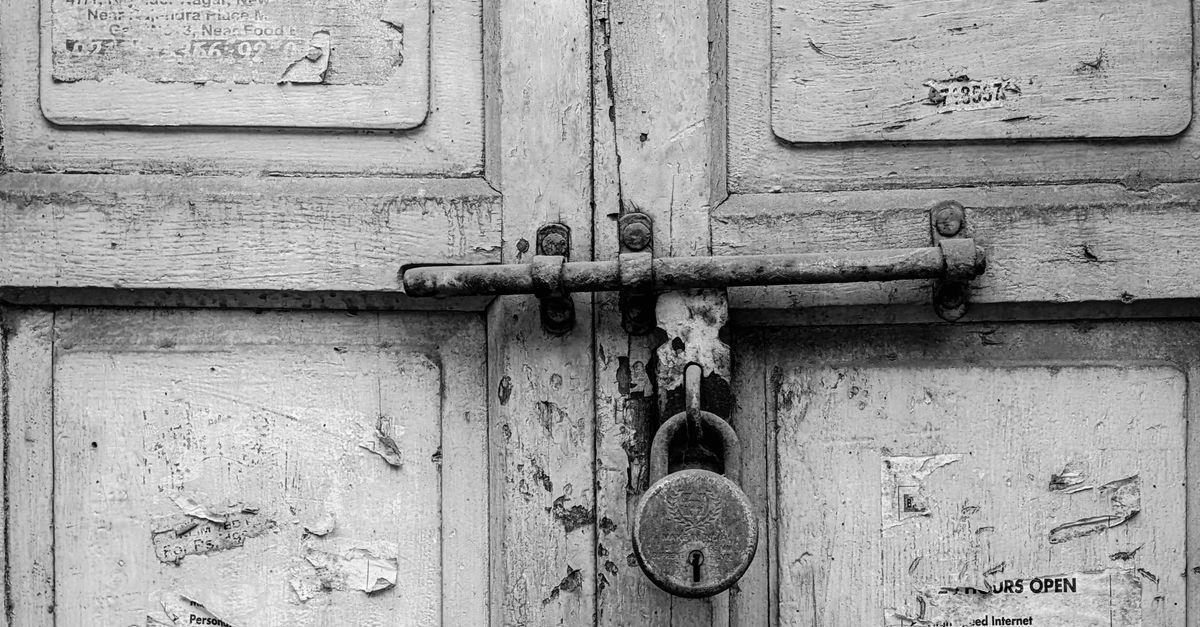
Mortise Lock Exit Devices: The Commercial Standard Worth Understanding
Many commercial and institutional doors in Brampton are equipped with a panic bar with mortise lock trim — a configuration where the exit device on the push side connects to a full mortise lock body mortised into the door edge, rather than a simple rim-mounted latch. A mortise lock exit device offers significantly more latch throw, anti-spread protection, and optional cylinder-controlled outside access, which is why building owners, property managers, and commercial locksmiths specify them for high-security or high-traffic openings.
Servicing a mortise lock panic bar combination requires a different skill set than a basic rim device. The mortise lock body itself — with its deadbolt, latchbolt, and interconnected lever trim — must be removed, lubricated or rebuilt, and reinstalled with precise backset and spindle alignment before the exit device is re-hung. If the case is damaged or the tailpiece is sheared, full mortise lock replacement is needed. Von Duprin mortise lock exit device assemblies, for example, have model-specific case dimensions and spindle configurations that must be matched exactly. Our technicians carry reference materials and commonly stocked parts so we can complete most mortise lock exit device repairs in a single visit.
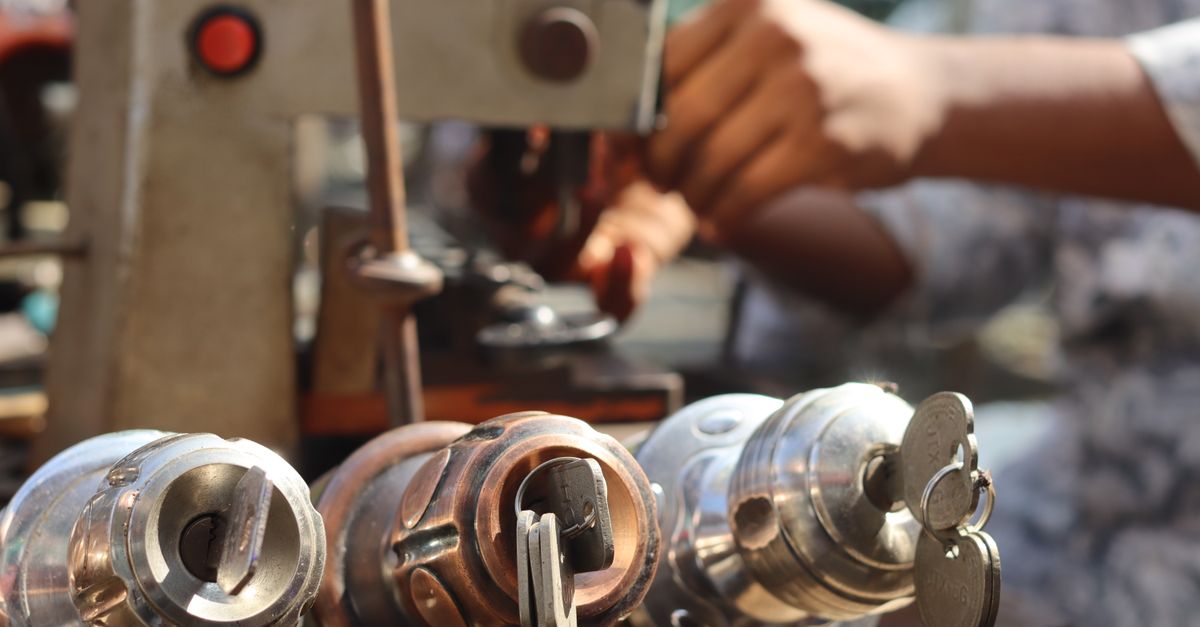
Panic Bar Repair and Replacement: What Our Mobile Service Covers
Our scope of panic bar repair and exit device work covers a wide range of hardware types and door configurations found across Brampton's commercial, industrial, and institutional buildings. Below are the specific services our team performs on-site: panic bar installation on new or existing fire-exit doors; panic bar replacement when a device is beyond adjustment or parts are discontinued; full mortise lock exit device installation and replacement; rim-style exit device repair and adjustment; surface vertical rod (SVR) and concealed vertical rod (CVR) device repair; dogging mechanism repair and dogging key service; push rail and pad replacement; end cap and cover replacement; latch bolt adjustment and projection verification; strike plate realignment and replacement; door-closer adjustment in coordination with exit device function; exit device re-keying to match building master key systems; cylinder replacement on outside-access trim; thumbturn and inside lever trim repair; electric strike integration with exit devices; electromagnetic holdopen troubleshooting; fire-rated door hardware inspection and documentation; door handing correction when hardware is installed incorrectly; surface-mounted door knob lock trim removal and replacement on exit device combinations; aluminum-storefront door exit device repair; hollow-metal door exit device repair; wood fire door exit device repair; exit device installation on double doors and pairs; coordinator and astragal adjustment for paired openings; emergency locksmith response when an exit device failure locks occupants in or prevents secure closing; and commercial locksmith consultation when a building's exit hardware needs to be brought up to current Ontario Building Code and fire-code requirements.
If your situation is urgent — a malfunctioning latch that prevents your building from locking up at night, or an exit that won't close and latch after hours — call (289) 723-1094 right now. We answer every call 24/7 and can have a technician on the way to your Brampton address quickly.

Pricing, Local Compliance, and What to Expect From Our Exit Device Service
Exit device work is quoted based on several factors: the type and brand of hardware involved (a mortise lock exit device requires more labour and potentially more expensive parts than a basic rim device), the number of doors being serviced, the time of day (after-hours emergency calls carry different considerations than scheduled daytime work), travel distance within our service area, and whether parts need to be sourced for less common configurations. We confirm an exact price with you before any work begins — no surprises on the invoice.
Brampton's commercial building stock ranges from older plazas with dated hardware that hasn't been touched in decades to recently constructed industrial facilities along the Highway 410 corridor with modern access-control-integrated exit devices. Both extremes present unique challenges, and our experienced team has worked across all of them. If your building has received a notice from the City of Brampton's fire prevention office or a property-standards order referencing exit hardware, we can help you understand what the hardware requirement means in practice and get the right device installed to satisfy the inspection. Every repair or installation is performed with the goal of leaving the door functional, code-appropriate, and damage-free wherever the existing door and frame allow.
Keeping Your Exit Hardware Reliable Between Service Calls
The single most effective thing a facility manager or business owner can do is schedule a periodic hardware check rather than waiting for a failure. Exit devices that are cleaned, lubricated at the pivot points and latch mechanism, and adjusted for proper dogging engagement can outlast their expected service life considerably. If your team notices that a push bar is stiff, returns slowly, or produces a grinding sound on actuation, those are early indicators of wear that are far cheaper to address than a full panic bar replacement after the device seizes entirely. Our commercial locksmith team can set up a service schedule that fits your property's traffic volume and budget timeline — just ask when you call.
Frequently asked questions
What is the difference between a rim exit device and a mortise lock exit device?
A rim exit device mounts entirely on the surface of the door and uses a rim latch that engages a strike on the door frame — it is simpler to install and common on lighter-duty or older commercial doors. A mortise lock exit device connects the push-bar mechanism to a full mortise lock body that is recessed into the door edge, providing a larger latch throw, optional deadbolt, and greater resistance to forced entry. The mortise lock version is the standard for higher-security or higher-traffic openings and requires more precise installation and servicing.
My panic bar depresses but the door won't open — is that an exit device problem or a door problem?
It can be either, or both. The most common causes are a latch bolt that is not fully retracting because of a worn or broken cam inside the device, a strike plate that has shifted out of alignment with the bolt, or a door that has sagged or warped so the bolt binds against the frame even when retracted. Our technician will test the latch travel, measure the strike alignment, and check the door itself before recommending a repair path — that way you are not paying to replace hardware when the real issue is a hinge adjustment.
Can you re-key a panic bar so the outside cylinder matches my building's master key system?
Yes. Most exit devices with outside-access trim include a standard mortise cylinder or rim cylinder that can be re-keyed or replaced to operate on your existing master key system. We carry a range of cylinder formats and can cut keys on-site in most cases. If your building uses a restricted keyway system, we will confirm compatibility before ordering cylinders so the result integrates cleanly with your existing access control.
How is the cost of a panic bar installation or repair determined?
The final price depends on the type of device being installed or repaired (rim, mortise lock, vertical rod), the door material and configuration, whether new parts or a complete unit are needed, the time of day the work is performed, and travel distance to your location within our service area. We assess the hardware and the door on-site and confirm an exact quote with you before any work begins, so there are no unexpected charges.
Do you service exit devices on pairs of doors or doors with closers and coordinators?
Yes. Double-door openings with panic hardware require careful coordination between both leafs — the inactive leaf must close and latch before the active leaf, which is controlled by a door coordinator mounted at the head of the frame. Misadjusted coordinators are a frequent cause of latch failures on double-door exit assemblies. Our team adjusts the coordinator, the door closers on both sides, and the astragal seal, then verifies that both latches engage fully before leaving the job.
What should I do if an exit device failure is preventing my building from locking up after hours?
Call (289) 723-1094 immediately — we answer 24/7 and treat an unsecured commercial door as an emergency. While you wait, do not attempt to disable or bypass the hardware, as this can cause further damage and may create a safety or liability issue. If the building cannot be secured, station a staff member at the door if possible. Our technician will arrive with the tools and commonly needed parts to restore function that same visit in most cases.
Locked out or need a lock fixed? We are on the way.
Open 24 hours, 7 days a week · Insured, background-checked technicians · Up-front pricing
(289) 723-1094